Can Alcohol Cause IBS? The Sobering Truth About the Alcohol-IBS Connection
You're at a wedding reception, champagne glass in hand, when you feel it—that familiar gurgling sensation signaling your digestive system is about to rebel. If you have IBS, this isn't just social anxiety—it's a calculated risk assessment that happens every time someone suggests drinks.
The short answer? Yes, alcohol absolutely triggers IBS symptoms, and for many sufferers, it's one of the most reliable ways to guarantee a flare-up.
But understanding exactly how alcohol sabotages your digestive system—and which types are the worst offenders—gives you power to make informed decisions rather than avoiding social situations entirely.
The Alcohol-IBS Connection Explained
Alcohol doesn't just make questionable decisions seem reasonable—it actively disrupts nearly every aspect of digestive function. For people with IBS, whose systems are already hypersensitive, alcohol is like pouring lighter fluid on an already-irritated gut.
When alcohol enters your system, your stomach produces excess acid, leading to inflammation and irritation. This sets the stage for digestive distress before alcohol even reaches your intestines. For IBS sufferers, this early-stage irritation triggers the gut-brain axis to amplify distress throughout your entire digestive tract. The stomach lining becomes inflamed, and this inflammation signals danger to your already hypersensitive nervous system.
The real trouble starts when alcohol reaches your intestines. It's directly toxic to intestinal walls—your gut's protective barrier—increasing intestinal permeability. This allows substances that should stay contained to slip into your bloodstream, triggering inflammatory responses throughout your body. For someone with IBS, whose gut is already hypersensitive and inflamed, this creates maximum digestive chaos. Your immune system goes into overdrive, treating these escaped substances as threats.
Alcohol also disrupts gut bacteria balance. Your microbiome contains trillions of bacteria that influence everything from digestion to mood. When alcohol disturbs this ecosystem, harmful bacteria proliferate while beneficial strains diminish. This dysbiosis exacerbates IBS symptoms and persists for days after drinking, explaining why digestive troubles outlast your hangover. The bacterial imbalance creates additional inflammation and alters how your colon ferments food.
Perhaps most problematically, alcohol speeds up intestinal motility—the rate at which contents move through your system. For IBS-D sufferers, this acceleration turns a pleasant evening into urgent bathroom situations. Even for IBS-C sufferers, the disruption triggers unpredictable symptoms. The dehydration alcohol causes (it's a diuretic that increases urine production) further worsens both constipation and diarrhea, stealing water your colon needs to function properly.

What Happens When Alcohol Meets Your Gut
The First Hours: Immediate Disruption
Within minutes, alcohol alters your digestive environment. Your stomach produces excess gastric acid while relaxing the valve that prevents reflux—that burning sensation in your chest is real damage happening. Intestinal contractions become more frequent and uncoordinated, causing immediate bloating and that unsettling sensation of your digestive system suddenly "waking up." You might feel gassy almost immediately as your gut motility shifts into overdrive.
Hours 2-4: The Cascade Intensifies
Inflammation intensifies and toxic effects accumulate—this is when cramping and urgency typically kick in. Alcohol continues impacting gut bacteria, triggering gas production from altered fermentation. The beneficial bacteria that normally help control inflammation and digest food properly are dying off, while opportunistic bacteria that produce more gas are multiplying.
Beer or cocktails with sugary mixers compound problems through FODMAP fermentation. These undigested carbohydrates arrive in your colon where bacteria feast on them, producing substantial gas. The combination of alcohol-induced inflammation and FODMAP fermentation creates maximum discomfort.
Morning After and Beyond
Even after alcohol clears your system, the fallout continues. Your gut barrier remains compromised for hours or even days, inflammation persists, and bacterial imbalance produces excess gas and irregular bowel movements. Dehydration worsens everything—your colon tries to conserve water, causing constipation, or inflammation causes diarrhea. Many experience uncomfortable alternating patterns.
For some people with IBS, symptoms last several days while the microbiome rebalances and inflammation resolves. This extended timeline explains why occasional drinking often triggers a week of unpredictable symptoms. Your anxiety about symptoms can perpetuate the cycle through the gut-brain connection, keeping stress hormones elevated and digestive function disrupted.
Individual Factors That Amplify the Problem
Your IBS Subtype Matters
IBS-D sufferers face particularly problematic alcohol effects because it accelerates intestinal motility, turning dinners into urgent bathroom sprints. The combination of increased transit speed, inflammation, and gut barrier disruption creates ideal conditions for explosive diarrhea. You might find yourself making emergency bathroom trips within an hour of your first drink.
IBS-C sufferers experience unpredictable effects—dehydration worsens constipation as your colon desperately tries to conserve water, but inflammation and motility changes might temporarily loosen things up. You genuinely don't know whether alcohol will make you more constipated or trigger sudden diarrhea, making planning impossible.
IBS-M sufferers face the worst of both worlds with completely inconsistent outcomes. Alcohol can trigger whichever symptom pattern your system decides to express that day. This variability creates significant anxiety around drinking, which ironically worsens symptoms through the gut-brain connection.
Gut Microbiome and Other Factors
Your personal gut bacteria composition influences alcohol tolerance significantly. Some people have resilient microbial communities that can withstand occasional alcohol exposure without dramatic shifts. Others have fragile bacterial ecosystems easily disrupted, leading to prolonged symptoms.
Recent antibiotic use makes tolerance particularly poor, as antibiotics indiscriminately kill both harmful and beneficial bacteria. If you've taken antibiotics within the past few months, your gut microbiome is still recovering and rebalancing. Adding alcohol during this vulnerable period can dramatically worsen IBS symptoms and delay recovery.
Stress levels when drinking matter too—the gut-brain axis amplifies symptoms when you're already anxious. If you're drinking because you're stressed, alcohol's effects are magnified by elevated stress hormones. Conversely, drinking in comfortable environments with trusted people might produce slightly better tolerance—though "slightly better" is relative with IBS.
Genetic alcohol metabolism variations affect how long toxic breakdown products linger in your system. Some people are "slow metabolizers," meaning alcohol and its toxic metabolite acetaldehyde linger longer, causing more prolonged gut damage. If you get hangovers more easily than friends or if small amounts cause significant symptoms, you might be a genetic slow metabolizer.
Medications like antispasmodics and antidepressants commonly prescribed for IBS can compound alcohol's digestive effects. Even over-the-counter ibuprofen taken preventively before drinking can increase gut inflammation when combined with alcohol, amplifying symptoms.

The Worst Alcoholic Offenders for IBS
Beer: The Triple Threat Beer delivers alcohol, carbonation, and FODMAPs simultaneously. Carbonation introduces gas directly, while fructans from brewing grains arrive intact in your colon for enthusiastic bacterial fermentation. Add gluten sensitivity (common in IBS sufferers) and high liquid volume, and beer creates maximum misery.
Wine: Sulfites and Acidity Wine contains sulfites, histamines, and tannins that trigger inflammation. Red wine is worse than white due to higher histamine levels. Wine's high acidity irritates stomach lining and worsens reflux. Even dry wines contain enough sugar to disrupt your microbiome.
Cocktails: Sugar and Mixer Mayhem Sugary mixers feed gut bacteria, causing fermentation and gas. Carbonated mixers add bloating, while artificial sweeteners (sorbitol, xylitol) cause diarrhea. Citrus juices add acidity, and cream-based drinks trigger lactose issues. Cocktails are essentially designed to trigger IBS.
Hard Liquor: The Lesser Evil Clear spirits (vodka, gin, white rum) with water are your least-bad option—no carbonation or FODMAPs, fewer congeners. However, higher alcohol concentration means more potent gut damage. Dark spirits contain more irritating compounds. Tequila's "gut-friendly" reputation is marketing mythology.
Strategic Drinking Management
If abstaining isn't realistic, strategic management can minimize digestive fallout—though it won't eliminate problems.
Never Drink on an Empty Stomach
Food slows alcohol absorption and buffers your stomach lining. Protein and healthy fats (grilled chicken, fish with olive oil) are particularly protective. Avoid high-FODMAP foods before drinking—you're combining triggers unnecessarily.
Hydration and Timing
Alternate alcoholic drinks with water—at least one full glass between each drink. This slows consumption and supports gut barrier integrity. Before bed, drink more water even when exhausted. Drinking earlier in the evening gives your body more processing time before sleep. Consider your next day's schedule—important commitments mean higher risk.
Know Your Limits
With IBS, your safe limit is likely one drink, regardless of standard guidelines. If you feel discomfort during your first drink, stop—additional alcohol will worsen problems. Your tolerance differs from your friends', and that's biology, not weakness.

Managing Social Anxiety: How Shreddies' Odor-Filtering Technology Restores Confidence
Living with IBS means constant awareness that your body might betray you at the most inconvenient moment. When alcohol enters the equation—whether at weddings, business dinners, or casual social gatherings—this anxiety intensifies dramatically. Even if you follow every strategic management technique perfectly, the reality remains: alcohol triggers IBS symptoms, and those symptoms often include significant and unpredictable gas.
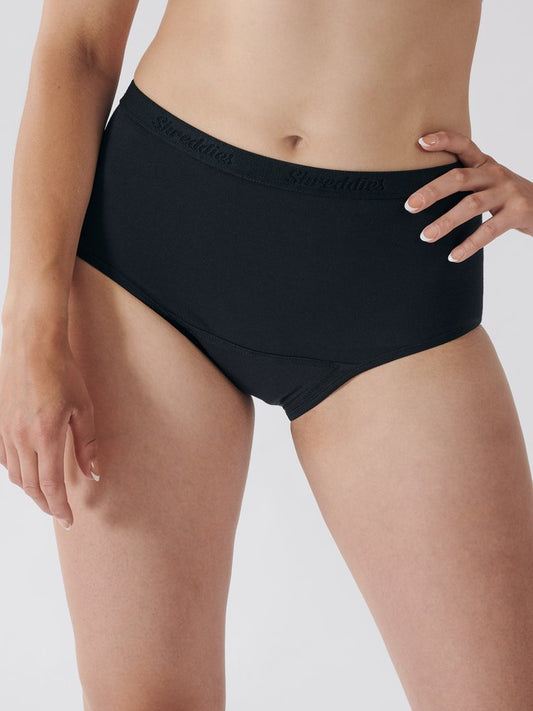
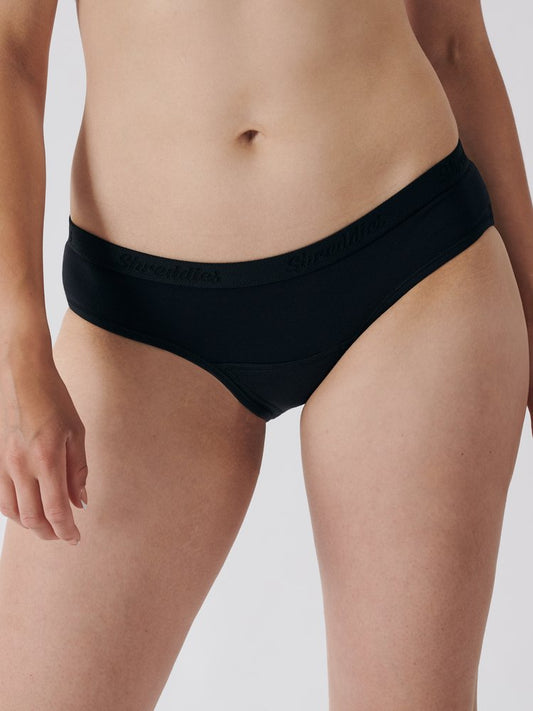
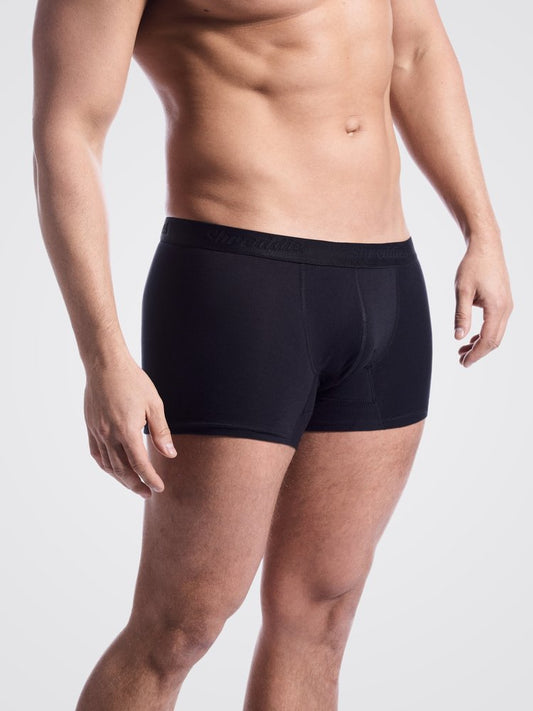
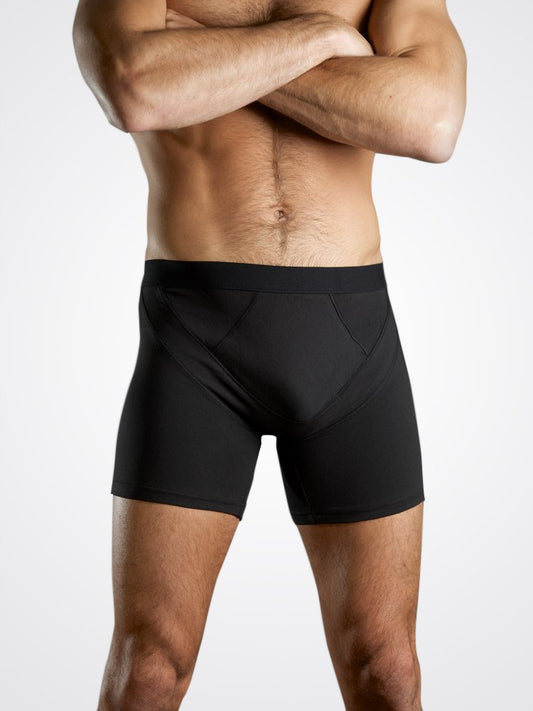
This is where Shreddies USA changes the equation entirely. While nothing can prevent alcohol from irritating your digestive system, Shreddies' patented activated carbon cloth technology eliminates the social anxiety that makes IBS-related gas so isolating and stressful.

How Shreddies Work
Shreddies uses activated carbon cloth—the same technology used in military chemical filtration systems—embedded directly into comfortable, everyday underwear. This isn't a fragrance that masks odors or wishful thinking. The activated carbon literally absorbs and neutralizes flatulence odors at the source before they escape into the environment.
The carbon cloth contains millions of tiny absorption sites that capture odor molecules as they pass through the fabric. These molecules become chemically bonded to the carbon surface, effectively removing them from the air. The result is genuine, reliable odor elimination that works consistently—not just sometimes or under ideal conditions.
Unlike other solutions that might work for minor gas, Shreddies are specifically engineered for people dealing with significant digestive challenges. This includes the intense fermentation and gas production that happens when alcohol meets an IBS-affected gut. The technology handles even severe flatulence odors, giving you genuine confidence rather than hopeful optimism. The underwear looks and feels like regular undergarments, meaning you can wear them daily without anyone knowing.
Freedom to Manage IBS Without Social Isolation
The psychological impact of reliable odor protection cannot be overstated. When you know that gas won't create embarrassing situations, you can actually attend social events where alcohol is served without paralyzing anxiety. You don't have to decline wedding invitations, skip work happy hours, or avoid dating situations due to digestive fears. This freedom transforms how you engage with the world.
You can also experiment with strategic management techniques without catastrophic consequences if something doesn't work perfectly. Learning your personal alcohol tolerances requires trial and error. Shreddies provide a safety net during this learning process—you can test whether clear spirits really work better for you than wine, or whether timing your drinking differently helps, all without risking social embarrassment.
Most importantly, you can focus on the actual event rather than obsessively monitoring your body for warning signs. Instead of spending entire evenings calculating bathroom distances and exit routes, you can engage authentically with people. This mental freedom is transformative for those with IBS whose quality of life has been severely limited by digestive anxiety.
SHOP THE BEST IBS UNDERWEAR AND GET RELIEF TODAY
Who Benefits Most
Shreddies offer particular value for IBS sufferers facing specific challenges:
Social and Professional Drinkers: If your career involves business dinners, client entertainment, or networking events where drinking is expected, Shreddies eliminate the career-limiting choice between participating fully and protecting yourself from embarrassment. You can attend these events with confidence, knowing your professional reputation won't be compromised by digestive unpredictability.
People in Relationships: Dating and intimacy are difficult enough without adding digestive anxiety. Shreddies remove the fear that keeps many IBS sufferers from pursuing relationships or being vulnerable with partners. Early dating, when you're still building trust and don't want to discuss digestive issues, becomes manageable rather than terrifying.
Active Social Lives: If you value friendships and social connections but find yourself declining invitations because of IBS fears, Shreddies restore your ability to participate in normal social activities without constant anxiety. You can say yes to impromptu happy hours, weekend trips with friends, or any social situation without extensive advance planning.
Anyone Managing Multiple Triggers: When you're trying to balance multiple dietary and lifestyle factors while managing IBS, having reliable odor protection removes one major variable from the anxiety equation. You can focus your energy on other aspects of IBS management without the added stress of odor concerns.
The freedom Shreddies provide isn't about encouraging reckless drinking—it's about confidence to make informed choices without fear of social catastrophe. They help break the isolation cycle that IBS creates. When fear of symptoms causes repeated social withdrawal, relationships suffer, and mental health declines. Having practical tools to manage gas allows you to maintain social connections crucial for overall well-being, whether that means carefully enjoying one drink at a wedding or simply feeling more comfortable during the recovery period after drinking.
When to Reconsider Your Relationship with Alcohol
Red Flags for Elimination
If every drinking occasion causes severe, days-long symptoms, alcohol isn't worth it. If tolerance is decreasing over time, or you're drinking to cope with IBS anxiety, elimination is necessary—not just strategic management. If alcohol undermines other IBS treatments or prevents consistent symptom tracking, it's sabotaging your health.
The 30-Day Trial
Consider complete alcohol elimination for 30 days. Track symptoms, energy, sleep, and mood carefully. After 30 days, decide about reintroduction based on comprehensive data rather than assumptions. Many discover dramatic IBS improvement without alcohol—not just after drinking, but baseline digestive function.
Better Alternatives
Craft mocktails and high-quality non-alcoholic spirits allow social participation without digestive consequences. Some situations don't require alcohol—morning coffee meetups, active outings, or dinner parties where drinks aren't central maintain social connections without drinking expectations.
FAQ: Alcohol and IBS
Q: Is there any type of alcohol that won't trigger my IBS?
A: Unfortunately, no. All alcohol irritates the digestive system, disrupts gut bacteria, and increases intestinal permeability. However, clear spirits mixed with water tend to cause less severe symptoms than beer, wine, or cocktails with sugary mixers. The "least bad" option is still bad—just less dramatically so.
Q: How long after drinking will IBS symptoms appear?
A: This varies significantly between individuals and IBS subtypes. Some people experience immediate symptoms during or right after drinking. Others don't notice problems until the next morning. For some IBS sufferers, symptoms peak 24-48 hours after drinking as inflammatory responses and microbiome disruption fully develop. Symptoms can persist for several days after a single drinking occasion.
Q: Can I take probiotics to offset alcohol's effects on my gut?
A: Probiotics might provide some protective benefit by supporting beneficial bacterial populations, but they cannot prevent alcohol's direct toxic effects on your gut lining or inflammatory responses. Taking probiotics regularly might improve your overall baseline gut health, potentially making you slightly more resilient to occasional alcohol exposure, but they're not a magic solution that makes drinking safe for IBS sufferers.
Q: Does drinking with food really help, or is that just a myth?
A: Drinking with food genuinely helps by slowing alcohol absorption and providing a protective buffer for your stomach lining. However, "helps" is relative—food moderates alcohol's worst effects but doesn't eliminate them. Choose low-FODMAP foods to avoid combining multiple IBS triggers simultaneously. Never rely on food alone to prevent symptoms; it's one piece of strategic management, not a complete solution.
Q: Why do my IBS symptoms from alcohol seem worse than my friends' hangovers?
A: Your gut is hypersensitive due to IBS, meaning it overreacts to irritants that others might tolerate more easily. Additionally, the nervous system connection between your brain and digestive system amplifies signals in people with IBS, making symptoms feel more intense. Your friends' digestive systems can handle alcohol's toxic effects better because they don't have the underlying inflammation, hypersensitivity, and dysregulated digestive-brain communication that characterize IBS.
Q: Will my alcohol tolerance improve if my IBS improves?
A: Possibly, but not necessarily. If you successfully manage IBS through dietary changes, stress reduction, and other interventions, your gut might become less reactive to alcohol. However, alcohol is inherently problematic for digestive health regardless of IBS status. Even people without IBS can develop alcohol-related digestive issues. Focus on IBS management for its own benefits rather than as a path to drinking more comfortably.
Disclaimer
This article is intended for informational and educational purposes only and should not be considered medical advice. The information provided is not intended to diagnose, treat, cure, or prevent any disease or medical condition. Individual responses to alcohol vary significantly, and what affects one person may differ for another.
IBS is a complex medical condition that requires professional diagnosis and management. If you experience persistent digestive symptoms, unexplained changes in bowel habits, severe abdominal pain, or any concerning gastrointestinal issues, please consult with a qualified healthcare provider or gastroenterologist. This is particularly important if symptoms worsen, include blood in stool, or are accompanied by unintended weight loss.
The information about Shredies USA products is provided for informational purposes and does not constitute medical advice. While these odor-filtering products may help manage social anxiety related to gas, they do not treat underlying digestive conditions or prevent IBS symptoms. Shreddies provide practical support for managing odor concerns but are not medical devices.
Always prioritize professional medical guidance over information found online, and never discontinue prescribed medications or treatments without consulting your healthcare provider. If you experience severe, sudden, or worsening digestive symptoms, seek immediate medical attention.