Does Sparkling Water Cause Gas? The Science Behind the Fizz
There's a moment every sparkling water devotee knows intimately. You crack open a perfectly chilled can of your favorite bubbly, take a long, satisfying sip, and think: this is the healthy choice. No sugar, no calories, no judgment. Just you and your fizz, living your best hydrated life. Then, about twenty minutes later, your stomach offers its own editorial commentary.
Sparkling water has exploded in popularity over the last decade, and with it has come a wave of questions about what carbonation actually does once it hits your gut.
The honest answer: yes, sparkling water can cause gas. But the full picture is considerably more nuanced and more reassuring than that single sentence implies.
The relationship between carbonated water and your digestive system is shaped by how much you drink, what type you choose, and your individual gut sensitivity — factors that make one person's daily ritual another person's bloating nightmare.
This guide breaks down the real science behind sparkling water and gas production, separates myth from legitimate concern, covers the genuine health benefits of going bubbly, and gives you practical strategies for enjoying carbonated water without the social aftermath.
And for those days when your gut has its own agenda, we have a solution for that too.
What Is Sparkling Water, Really?
Before blaming the bubbles, it helps to understand exactly what you're drinking because not all sparkling water is the same, and the differences matter more than most people realize.
At its core, sparkling water is water that has been infused with carbon dioxide gas (CO₂) under pressure. When you open the can or bottle, the pressure releases, and those CO₂ molecules form the bubbles you see rising to the surface. The basic chemistry sounds simple, but the category itself has meaningful distinctions.
Seltzer water is the stripped-down version. Plain water with added carbonation and nothing else. No minerals, no sodium, no added flavors in its purest form — just H₂O plus CO₂. Flavored seltzers build on this base with natural flavors, and some brands add citric acid for tartness.
Club soda takes seltzer and adds minerals. It typically contains sodium bicarbonate, potassium sulfate, or sodium chloride to create a slightly saltier, more rounded taste. It's the bartender's blank canvas, engineered to complement mixers rather than stand alone.
Sparkling mineral water comes from natural underground springs or wells and arrives pre-carbonated or with some of its natural carbonation preserved. The mineral content varies significantly by source, which is why brands like Perrier and San Pellegrino taste distinctly different from each other and from seltzer.
Tonic water is the outlier. It contains quinine and almost always added sugars, putting it firmly in the soft drink category despite the carbonation. If digestive health is your goal, tonic water is the category member you probably want to approach with caution.
Flavored sparkling waters occupy a wide spectrum. Some are simple — water, CO₂, and natural flavor. Others contain citric acid, phosphoric acid, artificial sweeteners, sodium, or caffeine. These added ingredients can compound the gas-producing effects of carbonation itself and introduce their own digestive variables.
Understanding which type you're drinking matters because the gas conversation looks different for plain seltzer versus a citric acid-laced, artificially sweetened flavored variety. The bubbles are just the beginning.
The Science of the Fizz: How Carbonation Interacts With Your Gut
Here's what actually happens when you swallow carbonated water, and why some people spend the hour afterward trying to discreetly manage the consequences.
When sparkling water enters your stomach, the dissolved CO₂ begins to release from solution in the form of gas bubbles. This increases the total gas volume inside your stomach and causes it to stretch and expand. Your body's most efficient response to this expansion is a burp — a controlled, upward release of that trapped gas. For most people, this is where the story ends, and carbonation produces no further drama.
The complication arises when that CO₂ doesn't all exit. Some of it continues moving through your digestive tract. As it travels into the small intestine and beyond, it contributes to gas accumulation lower in the digestive system. This gas has to go somewhere — and it doesn't always choose a quiet, socially convenient moment to make its exit.
Carbonated water also contains carbonic acid, the weak acid formed when CO₂ dissolves in water. This gives sparkling water a pH that typically ranges between 3 and 6 — meaningfully more acidic than still water but far less acidic than sodas, fruit juices, or other carbonated beverages. For most people, this mild acidity causes no digestive disruption. For those with acid reflux or GERD, the pressure created by that intragastric gas can push stomach acid toward the esophagus, worsening symptoms.
The volume you drink plays a significant role. Sipping a single glass of sparkling water with dinner and downing three cans in rapid succession before your afternoon meeting produces very different digestive outcomes. CO₂ release and the resulting gas are, to a meaningful degree, dose-dependent: more carbonated water equals more gas introduced into the system.
Drinking speed adds another layer. Gulping carbonated water introduces gas quickly and in large volumes, giving your stomach a significant CO₂ surge to manage. Slower consumption gives the CO₂ more time to escape before it's even swallowed, which is why savoring your sparkling water isn't just a lifestyle choice. It's a digestive strategy.
Who Feels It Most: The Gas-Sensitive Crowd
Not everyone who drinks sparkling water ends up wishing they hadn't. The gas experience is deeply individual, and certain factors push some people toward the more uncomfortable end of the spectrum.
IBS sufferers are among the most reliably affected. Irritable bowel syndrome already involves heightened gut sensitivity and altered intestinal motility, meaning the additional gas introduced by carbonation can amplify symptoms that are already present. For people managing IBS, carbonated beverages frequently appear on the list of triggers worth monitoring.
GERD and acid reflux sufferers face a specific carbonation problem: the intragastric pressure created by trapped gas can relax the lower esophageal sphincter — the valve that keeps stomach acid where it belongs — increasing the likelihood of reflux episodes. If you're already managing heartburn, sparkling water may be a consistent irritant rather than a neutral choice.
High-volume consumers — the people for whom sparkling water has entirely replaced still water in daily life — naturally introduce more CO₂ into their digestive systems over the course of a day. What one can cause, five can amplify.
People drinking flavored or artificially sweetened varieties introduce additional gas-producing variables. Certain artificial sweeteners, including sorbitol and some others found in diet products, are fermented by gut bacteria and can themselves produce significant gas independent of carbonation. When you layer artificial sweeteners on top of CO₂, the digestive result can be considerably more pronounced than either ingredient alone.
People eating gas-producing foods alongside sparkling water are stacking the deck. Beans, cruciferous vegetables, high-fiber foods, and dairy products all bring their own gas-producing mechanisms to the table. Washing any of them down with carbonated water may not cause a problem on its own, but it's worth paying attention to the combination if you're regularly experiencing uncomfortable gas.

The Plot Twist: Real Health Benefits of Sparkling Water
Here's where the story takes an unexpected turn, because if you've been reading this article with mounting dread about your sparkling water habit, you deserve the good news.
For most people, in reasonable amounts, sparkling water is legitimately good for you, and in some ways, arguably better than still water for specific digestive concerns.
Hydration parity.
The concern that carbonation somehow undermines water's hydrating properties has been studied and largely debunked. Plain sparkling water hydrates just as effectively as still water. The CO₂ doesn't alter the water itself in any way that reduces its hydration capacity. For people who find still water boring and therefore drink less of it, sparkling water can actually improve total daily fluid intake, which is unambiguously a health win.
Satiety and fullness.
Carbonated water creates a feeling of fullness in the stomach that extends beyond what the same volume of still water produces. This increased sense of satiety can be helpful for people managing portion sizes, reducing between-meal snacking, or looking for something satisfying that doesn't add calories. The CO₂-induced stomach expansion that causes gas in some people is the same mechanism that makes others feel comfortably full.
Constipation relief.
Multiple small studies have found that sparkling water may improve bowel movement frequency and consistency in people with chronic constipation. The carbonation appears to gently stimulate intestinal motility — the muscle contractions that move waste through the digestive tract. For people who drink sparkling water and experience improved regularity, this isn't a coincidence; it's the same mechanical stimulation at work.
Digestion support.
Related to the above, carbonation may facilitate the overall movement of food through the digestive system. The gentle mechanical stimulation of GI motility is one reason some people find that a glass of sparkling water after a large meal eases digestive discomfort rather than worsening it.
Bone health.
An old worry about carbonated beverages and bone density reduction has largely been put to rest for sparkling water specifically. The bone density concern applies primarily to phosphoric acid-containing sodas, not to plain carbonated water. Sparkling water does not contain phosphoric acid, and current evidence does not link it to reduced bone density or calcium loss.
Myth-Busting the Bubbles
Sparkling water has attracted a fair amount of misinformation over the years. A few of the most persistent myths deserve a direct response.
"Sparkling water will wreck your teeth."
This one has a kernel of truth that has been substantially exaggerated. Sparkling water's pH typically ranges between 5 and 6 — meaningfully more acidic than still water but dramatically less so than sodas, citrus juices, or energy drinks. Drinking it with meals rather than sipping continuously and rinsing with still water afterward keeps the enamel risk minimal for most people.
"Sparkling water causes weight gain."
No credible evidence supports this. Plain carbonated water contains zero calories and no ingredients associated with weight gain. The temporary fullness it creates may actually support weight management.
"It leads to long-term gas problems."
Gas from sparkling water is transient and tied directly to the carbonation consumed. It doesn't cause lasting changes to gut bacteria or chronic gas production. Reduce your intake, and the gas reduces with it.
"Sparkling water is dehydrating."
Plain carbonated water counts toward daily fluid intake the same way still water does. The CO₂ has no diuretic effect whatsoever.
"All sparkling water is equally gassy."
Carbonation levels vary significantly across brands and types. Some sparkling mineral waters are lightly effervescent; others are aggressively fizzy. Experimenting with lower-carbonation options before abandoning the category entirely is a sensible first move.
How to Enjoy Sparkling Water Without the Social Fallout
The goal for most sparkling water lovers isn't to eliminate the fizz. It's to enjoy it without spending the afternoon monitoring the situation. A few targeted strategies make a meaningful difference.
Slow down.
Drinking sparkling water quickly forces large volumes of CO₂ into your stomach in a short window. Sipping more slowly allows significant CO₂ to escape before you swallow it, reducing the gas load your digestive system has to manage.
Let it breathe.
Pouring sparkling water into a glass and letting it sit for a few minutes allows some CO₂ to naturally dissipate. You preserve the pleasant fizz while reducing carbonation intensity.
Watch the additives.
Plain seltzer is considerably less likely to cause disruption than flavored varieties containing citric acid, phosphoric acid, or artificial sweeteners. Reading labels matters more than it might seem.
Alternate with still water.
Rather than making sparkling water your exclusive hydration source, alternating throughout the day reduces the total CO₂ load your gut manages at any given time.
Time it thoughtfully.
Sparkling water on an empty stomach or immediately before bed can amplify gas and bloating. Having it with meals or during times when the associated consequences are less socially costly makes daily enjoyment considerably less stressful.
Know your body.
If you have IBS, GERD, or other diagnosed digestive conditions, your carbonation threshold is likely lower than average. Smaller quantities, less frequently, may be the balance that keeps sparkling water in your life without triggering symptoms.

What Are Shreddies? Confidence in a Waistband
Even with the best dietary strategies in place, digestive systems do what they want.
You can sip your sparkling water slowly, choose plain seltzer over flavored varieties, and time every can with textbook precision, and your gut will occasionally still have opinions that don't align with your schedule.
That's not a failure. That's just being a person with a digestive system. And it's exactly why Shreddies USA exists.
Shreddies are the world's first odor-filtering underwear, and they are exactly as practical and ingenious as that sounds. Designed for anyone who deals with unpredictable gas, whether from sparkling water, dietary choices, medical conditions, or the general unpredictability of being human, Shreddies give you a foundation-level solution that works regardless of what the rest of your day throws at you.
DON'T DITCH YOUR SPARKLING WATER. ORDER SHREDDIES INSTEAD.

The Technology Behind the Confidence
The secret is a hospital-grade activated carbon cloth that is permanently sewn into the back panel of every pair of Shreddies. Activated carbon is one of the most effective odor-absorbing materials on earth, used in medical applications, industrial filtration, and yes, protective military gear. When flatulence passes through the activated carbon panel, the odor-causing compounds — primarily sulfides and mercaptans — are trapped and neutralized before they reach the outside world.
Research published in The American Journal of Gastroenterology identified activated carbon underwear as the most effective method for eliminating flatulence odors. De Montfort University independently tested the Zorflex fabric and found it capable of filtering odors 200 times stronger than the average flatus emission. That's not a minor improvement. That's complete, reliable neutralization.
The activated carbon recharges itself with every wash cycle, restoring full filtration capacity automatically. Shreddies maintain their effectiveness for 50 or more complete wash cycles, making them a durable long-term investment in daily confidence rather than a single-use solution.

What Shreddies Actually Look Like
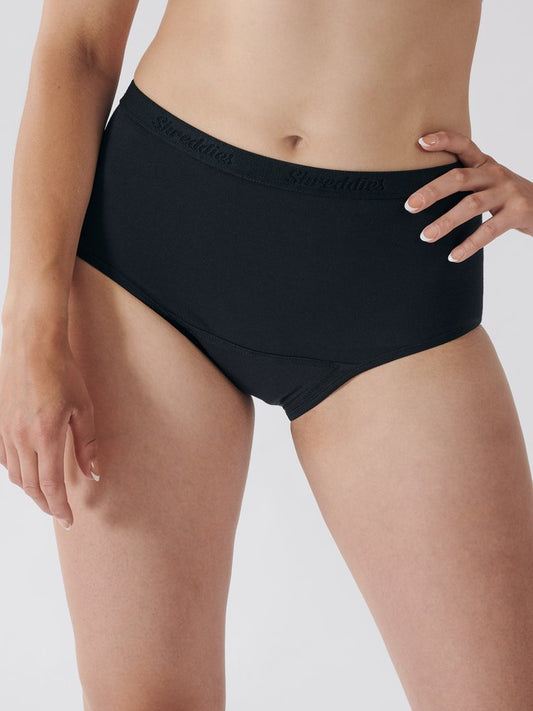
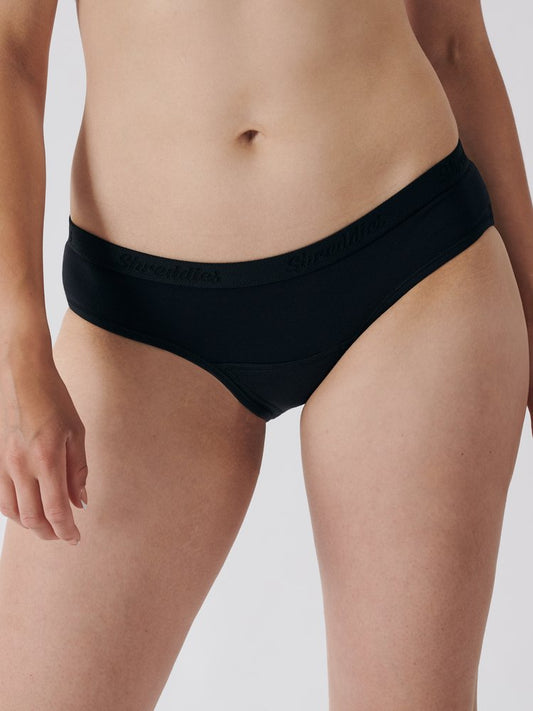
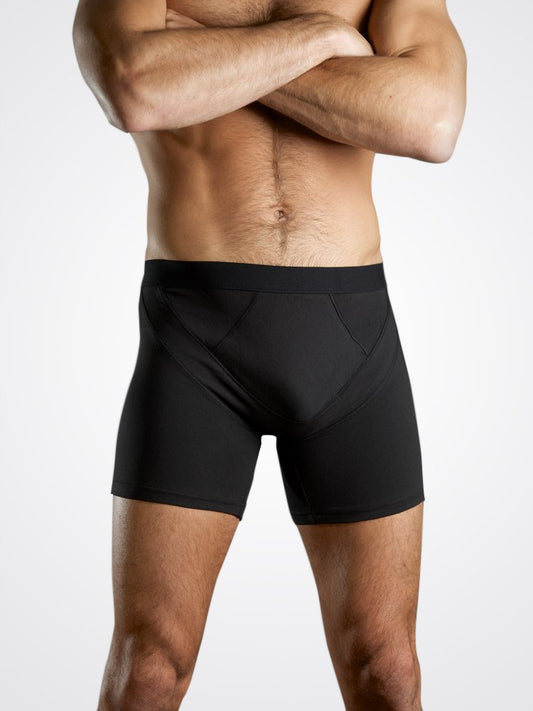
This is where Shreddies break from what most people imagine "functional underwear" to look like. There are no visible panels, no awkward bulk, no signals to anyone that you're wearing anything other than premium cotton underwear. The odor-filtering technology is hidden between fabric layers, completely invisible from the outside.
Shreddies USA offers styles for both men and women — all designed to look and feel like the kind of underwear you'd choose purely on the basis of comfort and fit. The cotton blend is soft, the construction is well-tailored, and the fit stays comfortable through long days without the pinching or riding that tends to plague specialty garments.
SHOP THE BEST UNDERWEAR FOR ODOR CONTROL

Who Shreddies Are For
The honest answer is: anyone. Shreddies are for anyone whose digestive system creates social inconvenience, which is, by any reasonable measure, every person alive.
That said, Shreddies are particularly meaningful for people with specific digestive conditions. IBS, Crohn's disease, colitis, dyspepsia, gastritis, and food intolerances all create unpredictable gas that disrupts professional and social confidence. Sparkling water lovers whose enthusiasm for fizzy beverages exceeds their gut's enthusiasm for processing CO₂ are a natural fit. Anyone who has ever made strategic seating decisions at meetings, timed elevator exits, or spent mental energy managing digestive anxiety in public settings will understand exactly what Shreddies offer.
The Confidence That Changes Everything
The impact of Shreddies isn't just about odor management, though it absolutely delivers on that front. It's about the mental freedom that comes from knowing you're covered, literally and figuratively, regardless of what your digestive system decides to do.
Social anxiety around gas is real, and it affects people's professional choices, relationship comfort, and willingness to engage fully with daily life. Managing that anxiety with avoidance — skipping the sparkling water you love, passing on the foods that trigger symptoms, declining social invitations because the stakes feel too high — is a high quality-of-life cost. It's the kind of invisible tax that people with digestive sensitivity pay every single day without ever naming it.
Shreddies offer a different approach entirely. Eat what you eat. Drink what you drink. Attend the meeting, take the long flight, sit in the quiet conference room. The underwear handles the rest, silently and completely. That's not a gimmick. That's a genuine shift in how people with digestive sensitivity navigate the world — from constant management and avoidance to actual confidence. And for sparkling water fans who refuse to give up the fizz, that confidence is available every single day.
ORDER YOURS TODAY
FAQ: Does Sparkling Water Cause Gas? Your Questions Answered
Does sparkling water cause gas and bloating?
Yes, it can, particularly for people who drink it in large quantities, drink quickly, choose heavily carbonated varieties, or have underlying digestive sensitivity. The carbonation introduces CO₂ into the digestive system, which increases gas volume. For most people, in moderate amounts, the effects are mild and brief.
Is sparkling water worse than still water for digestion?
For the majority of healthy people, the difference is minimal. Sparkling water hydrates as effectively as still water and may actually benefit digestion for people dealing with constipation or sluggish gut motility. People with GERD, IBS, or other diagnosed conditions may find sparkling water more irritating than still water, and adjusting intake accordingly makes sense.
Why does sparkling water make some people gassy but not others?
Individual digestive sensitivity, gut motility, the presence of conditions like IBS or GERD, the specific type of sparkling water consumed, and drinking volume and speed all contribute to significant variation in how people respond to carbonation. Two people drinking the same sparkling water can have completely different experiences.
Does the type of sparkling water matter for gas production?
Significantly. Plain seltzer with no additives is the least likely to cause gas beyond the carbonation itself. Flavored varieties containing citric acid, phosphoric acid, or artificial sweeteners introduce additional gas-producing variables. Club soda and sparkling mineral water fall in the middle. Tonic water, with its added sugars, is the most likely to cause digestive disruption.
Can you build a tolerance to sparkling water's gas effects?
Some people find that their digestive systems adapt over time with regular moderate consumption. The more reliable strategy is managing consumption — slower sipping, moderate volumes, thoughtful timing — rather than waiting for tolerance to develop.
Does sparkling water cause any long-term digestive damage?
Current evidence does not support the idea that moderate sparkling water consumption causes lasting damage to the digestive system, gut lining, or microbiome. The gas effects associated with carbonation are temporary and resolve when carbonation intake decreases.
What's the best underwear for dealing with sparkling water gas?
Shreddies USA makes activated carbon underwear that filters flatulence odors before they become a social problem. The Zorflex technology neutralizes odor-causing compounds and can handle odors 200 times stronger than average emissions. Available in styles for men and women, Shreddies look like regular premium underwear, feel comfortable all day, and recharge with every wash.
Disclaimer
This article is intended for general informational purposes only and does not constitute medical advice, diagnosis, or treatment. The information provided about sparkling water, carbonation, and digestive effects reflects general scientific understanding and is not a substitute for personalized guidance from a qualified healthcare provider.
If you experience persistent, severe, or worsening digestive symptoms, consult a physician or gastroenterologist. Individual responses to carbonated beverages vary, and people with diagnosed conditions such as IBS, GERD, Crohn's disease, or other gastrointestinal disorders should seek condition-specific guidance before making significant dietary changes.