Flying with IBS: How to Manage Your Symptoms and Actually Enjoy the Trip
You've made it through security, found your gate, and wedged yourself into a middle seat between a man who has already claimed both armrests and a woman whose carry-on smells aggressively of tuna salad. The flight is four hours. And somewhere around the time the seatbelt sign clicks off, your gut starts to make its presence known.
If you have irritable bowel syndrome, air travel isn't just logistically stressful. It's a full physiological assault.
The pressure changes, the recycled air, the hours of enforced stillness, the bathroom situation — your digestive system doesn't care that you're trying to get somewhere. It just responds.
But here's what nobody says loudly enough: flying with IBS is manageable. Not just survivable — actually manageable. With the right preparation, the right in-flight strategy, and the right tools, you can board a plane without spending the entire flight calculating which row is closest to the bathroom. This guide covers everything you need to know to fly with more confidence and significantly less dread.
Why Flying Is Particularly Brutal for IBS
Most people feel off after a long flight. For people with IBS, the experience can tip from uncomfortable into truly miserable — and there are specific physiological reasons why.
Cabin pressure and gas expansion
At cruising altitude, the cabin is pressurized to the equivalent of roughly 6,000 to 8,000 feet above sea level. That pressure differential has a direct effect on the gas in your digestive tract. According to Boyle's Law, as atmospheric pressure drops, gas volume expands — and studies estimate intestinal gas can expand by up to 30% at typical cruising altitude. For most passengers, this means mild bloating. For someone with IBS, whose gut is already hypersensitive to internal pressure changes, that expansion can translate into significant cramping, urgency, and the kind of audible situation that makes everyone in row 14 suddenly fascinated by the in-flight magazine.
Disrupted gut motility
Your digestive system runs on a schedule tied tightly to your sleep-wake cycle, meal timing, and movement patterns. Flying scrambles all three simultaneously. Early departures disrupt sleep. Long-haul flights cross time zones, throwing off circadian rhythms that directly regulate gut function. You're sitting still for hours. Each disruption alone can trigger an IBS flare. Together, they create conditions your gut simply wasn't built to handle gracefully.
The stress-gut feedback loop
Stress is one of the most reliable IBS triggers, and air travel is one of the most reliably stressful experiences in modern life. The parking, the security lines, the gate changes — and then the fact that once you're on the plane, you cannot leave. That loss of control over bathroom access is itself a significant source of anxiety for IBS sufferers, which activates the gut-brain axis, which worsens symptoms, which increases anxiety. Flying doesn't just expose you to stress; it locks you in a metal tube with it.
Dehydration from recirculated cabin air
Airplane cabins maintain humidity levels of around 10–20%, far below the 30–60% most people are accustomed to. This dry environment accelerates fluid loss, and dehydration hits IBS sufferers disproportionately hard — worsening constipation in IBS-C and increasing intestinal irritability across all subtypes. Add the coffee or airport cocktail many travelers reach for, and the deficit compounds quickly.
Before You Even Get to the Airport: Pre-Flight Preparation
The 24 to 48 hours before a flight are arguably more important than anything you do in the air.
Mind your food in the lead-up
The day before flying is not the moment to try a new restaurant, finish the leftover bean chili, or test whether raw onions are actually fine now. Stick to what you know works. A low-FODMAP approach in the 24 hours before travel reduces the volume of poorly-absorbed carbohydrates in your system at altitude, which directly limits gas production during the flight. Foods to sidestep: cruciferous vegetables, legumes, high-lactose dairy, carbonated drinks, and anything high in sugar alcohols (those "sugar-free" protein bars are a trap).
Front-load sleep and routine
Early-morning flights destroy the gut-stabilizing routines IBS management depends on. If your flight departs at 6 a.m., your body won't have had time to complete its normal morning elimination cycle before you're in a seat. Build in enough pre-travel sleep to get through your usual morning routine before leaving for the airport. This single adjustment pays disproportionate dividends on board.
Build a carry-on kit
Pack everything your gut might need — and a margin of extra:
-
- Prescription or OTC IBS medications (antidiarrheals, antispasmodics, peppermint oil capsules, or laxatives, depending on your subtype)
- Peppermint and ginger tea bags — both have clinical evidence behind them for reducing cramping and bloating
- Safe snacks you know you tolerate (plain rice crackers, a banana, a small portion of familiar nuts)
- A reusable water bottle to fill post-security
- Electrolyte packets for hydration without carbonation
- Shreddies underwear - we'll get to what they are in a minute
Book strategically
Book an aisle seat. Not a window seat because the view is nice, not a middle seat because it was cheaper — an aisle seat. It gives you unimpeded, immediate bathroom access without having to wake a stranger or perform an awkward over-the-lap maneuver while trying to look calm. Aisle seats near the lavatory are even better. Bulkhead rows offer more space to shift positions and release abdominal pressure. These aren't small comforts; they're practical anxiety-reducers that directly affect how your body functions during the flight.
Navigating the Airport Without Losing Your Gut
Scope out the bathrooms
Identify bathroom locations at each stage — before security, after security, and at your departure gate. Most airport apps mark restroom locations. A thirty-second scan when you arrive pays dividends if you need to move fast. Knowing exactly where the nearest bathroom is reduces anticipatory anxiety, which in turn reduces the likelihood of the gut-brain feedback loop activating unnecessarily.
Sidestep airport food traps
Airport terminals are aggressively stocked with IBS landmines: greasy fast food, carbonated sodas, overpriced departure-lounge alcohol, and coffee kiosks every twenty feet. A pre-flight nervous system plus a high-fat airport burger is not something your colon will forgive at altitude. If you need to eat, choose something simple — plain grilled protein, white rice, or the safe snacks you packed. Skip carbonated drinks entirely on travel days; gas swallowed on the ground expands once you're airborne.
Move before you board, then use the bathroom
Walk the terminal for twenty minutes before boarding. Gentle movement stimulates gut motility and burns off some of the cortisol airport stress generates. Then use the bathroom immediately before taking your seat — even if urgency isn't pressing. It reduces the anxiety window between takeoff and when the seatbelt sign turns off.
In the Air: Managing IBS Mid-Flight
Hydrate consistently
The cabin's low humidity means you're losing fluid continuously. Even mild dehydration tightens the colon and increases intestinal irritability. Drink water or herbal tea throughout the flight. Ask flight attendants for hot water and brew those peppermint or ginger bags you packed. Skip the complimentary sodas and alcohol — both are gas-promoting and dehydrating, which is the exact combination you don't need at altitude.
Eat conservatively
Airline food is not designed with IBS in mind. High-fat, high-sodium options can provoke exactly the symptoms you've been working to prevent. On short flights, skip the meal. On long-haul, choose the simpler option, eat slowly, and don't fill up. A measured half-portion of the less risky choice beats a full meal that triggers a four-hour cramping episode over international waters.
Get up and move
Once the seatbelt sign turns off, stand and walk the aisle every hour. Movement actively stimulates digestive motility, helps release trapped gas, and relieves the abdominal pressure that builds during prolonged sitting. Even two minutes standing at the back of the plane makes a measurable difference.
Manage the mental load
Anticipatory anxiety — the constant monitoring, the mental rehearsal of worst-case scenarios — can be more draining than the physical symptoms. Slow, diaphragmatic breathing activates the parasympathetic nervous system and directly calms gut-brain signaling. A few deliberate minutes of this after takeoff, before the mental chatter escalates, can meaningfully shift your in-flight experience.
If a Flare Hits Mid-Flight: Damage Control
Even thorough preparation doesn't guarantee IBS cooperation. If a flare develops mid-air, how you respond in the first few minutes determines how manageable the next hour will be.
Slow your breathing first.
Anxiety intensifies IBS symptoms through direct physiological mechanisms — stress hormones increase gut hypersensitivity and speed up or disrupt motility. Before you reach for medication or unbuckle your seatbelt, take three slow, deliberate breaths. Extend the exhale longer than the inhale. This isn't a distraction technique; it's a direct intervention on the nervous system response that's amplifying your symptoms.
Get to the lavatory early — don't wait.
The instinct to hold on and hope the feeling passes often makes things worse. If you feel a flare building, move toward the bathroom while it's still manageable rather than waiting until urgency is critical. The seatbelt sign is a safety guideline, not a hard medical rule — flight attendants understand that passengers have genuine physiological needs. A brief, matter-of-fact explanation is all that's required.
Use the medications you packed, and use them early.
Antidiarrheals, antispasmodics, peppermint oil capsules — whatever your prepared kit contains — work best at the onset of a flare, not after symptoms have escalated. Keeping your medications in your seat pocket rather than an overhead bin means you can reach them without making a production of it.
Remind yourself it's temporary.
A mid-flight IBS flare is uncomfortable and stressful. It is also finite. The flight will end, you will deplane, and the episode will pass. That framing isn't wishful thinking — it's an accurate assessment that actively helps regulate the stress response that's making the flare worse. Catastrophizing ("this is a disaster, everyone can tell, this will ruin the whole trip") escalates symptoms. Accurate perspective-setting doesn't.
Flying with Different IBS Subtypes
IBS presents differently across subtypes, and your in-flight strategy should reflect which version you're managing. The same flight can be a very different experience depending on whether your gut tends toward urgency, shutdown, or unpredictable alternation between the two.
IBS-D (diarrhea-predominant)
IBS-D travelers face the most acute in-flight anxiety, primarily around urgency and bathroom access. Aisle seating is non-negotiable — window seats are simply not an option when your gut operates on its own schedule. Discuss antidiarrheal use with your healthcare provider specifically for travel days; the right medication taken at the right time can significantly reduce urgency windows. Keep the 24 hours before the flight low-fat and low-fiber to reduce digestive reactivity. Eliminate caffeine and alcohol entirely on travel days — both accelerate intestinal transit and can bring on urgency at the most inconvenient possible moment. If your symptoms tend to be triggered by eating, consider adjusting meal timing so that the larger portion of your food intake happens after you've landed.
IBS-C (constipation-predominant)
For IBS-C travelers, the combination of prolonged sitting, dehydration, disrupted meal timing, and the general immobility of air travel can produce significant worsening of constipation. Hydration is the single most important lever — prioritize water intake starting the day before the flight, not just on the day itself. Soluble fiber from sources you know you tolerate (a banana, a small portion of oats) can support motility without triggering bloating. Keep moving in the airport and walk the aisle during the flight. If your healthcare provider has recommended a specific laxative approach for travel, plan carefully around your departure time — timing matters more than it does on a regular day.
IBS-Mixed (IBS-M)
Mixed-type is the most logistically challenging to manage during travel because you may not know until the morning of the flight which direction your gut has decided to take. Pack for both contingencies — antidiarrheals and motility support. Follow dietary guidelines that reduce volatility in either direction, and treat anxiety management as a clinical priority rather than a nice-to-have. Psychological stress amplifies the unpredictability that characterizes IBS-M more than any other subtype, which means anything that reduces travel anxiety — including removing specific stressors from the equation — has a direct downstream effect on symptoms.

Meet Shreddies: Fly with Confidence
Here's the angle on flying with IBS that most travel guides quietly skip: what do you do when your body releases gas at the exact moment the plane hits smooth air, and the entire cabin falls quiet?
Managing the odor component of IBS-related gas is a real, practical concern — and it's exactly what Shreddies USA was built to solve, directly and without apology. Their motto is "Fart with confidence." Their products deliver on it.

What are Shreddies?
Shreddies are the world's first odor-filtering underwear, designed for anyone whose digestive system is unpredictable — whether from IBS, Crohn's disease, colitis, food intolerances, or any other condition that doesn't follow a schedule. They look, fit, and feel like regular underwear. Nobody knows you have them on. That's the entire point.
The core technology is Zorflex — a patented activated carbon cloth built into the garment's construction. Activated carbon's extraordinarily porous molecular structure traps and neutralizes odor-causing compounds before they reach the air around you. Research by De Montfort University found that Zorflex filters odors up to 200 times the strength of the average flatus emission. Research published in the American Journal of Gastroenterology identified activated carbon underwear as the most effective method of removing flatulence odors. Shreddies were also awarded a "Look Good, Feel Good" award from the Association for Continence Advice (ACA) — recognition for products that are comfortable, attractive, and confidence-boosting. The activated carbon reactivates with each wash, maintaining effectiveness for the life of the garment.

Why it matters specifically for flying
The middle seat.
Flanked on both sides, no discreet exit. With Shreddies underwear, the odor is neutralized before it registers. The middle seat stops being a source of low-grade terror.
Turbulence-triggered urgency.
Turbulence jolts the gut. When the seatbelt sign is on, and you can't get up, Shreddies underwear means the odor piece is already handled — removing one significant driver of the anxiety spiral that follows.
Long layovers and crowded terminals.
Gate areas, shuttle buses, packed security lines — close-quarters situations where IBS doesn't respect timing. Shreddies underwear extend protection through every leg of the travel day, not just the time you're airborne.
The red-eye.
You fall asleep, your body relaxes its conscious controls, and things happen. Shreddies handles the overnight shift without requiring you to stay vigilant.
The range.
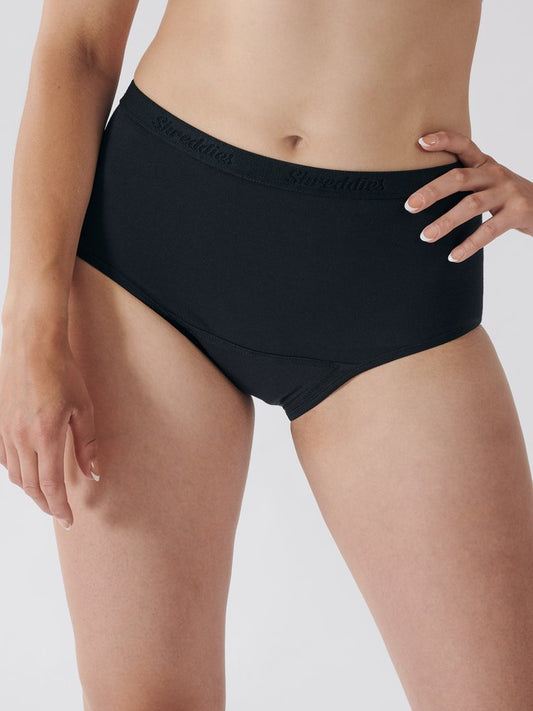
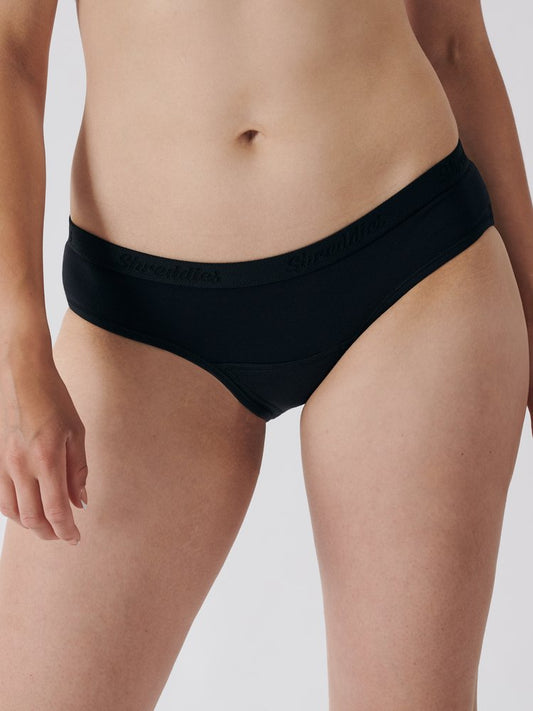
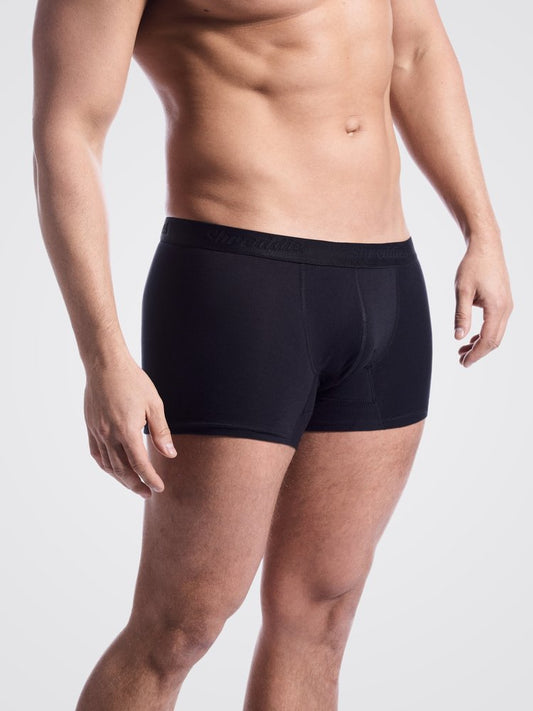
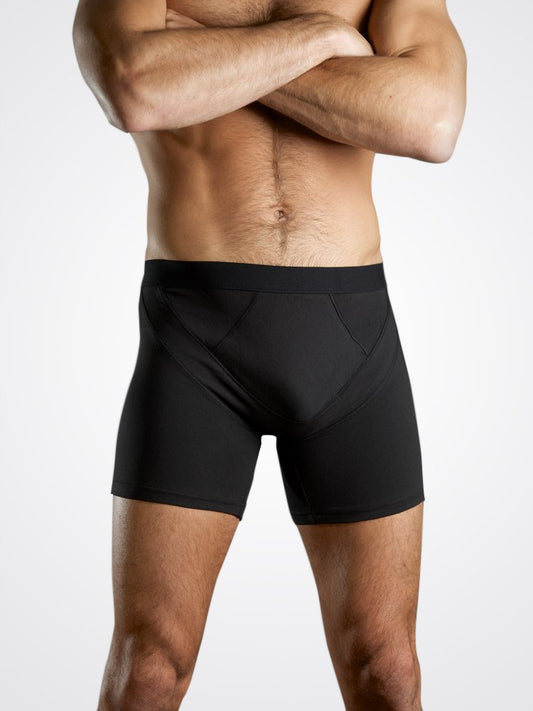
Shreddies USA offers men's hipster underwear and support boxers, and women's bikini briefs and hi-waist briefs — all built with the same Zorflex technology, all designed for all-day comfort that looks and feels like premium everyday underwear.
The bigger picture.
The anxiety about gas odor during travel doesn't just make flying unpleasant — it actively worsens IBS symptoms through the gut-brain feedback loop. Stress about potential odor triggers real physiological responses: heightened gut hypersensitivity, disrupted motility, increased cramping. Remove that layer of anxiety and the downstream effect on symptoms is tangible.
The "LET IT RIP" philosophy is at its most practical here: your body does what bodies do — especially with IBS — and the right protection means you stop white-knuckling it through every turbulence bump and serving trolley delay.

What wearing Shreddies actually changes
Beyond the practical odor control, removing this specific layer of travel anxiety has a measurable effect on IBS symptoms themselves. The gut-brain feedback loop works in both directions — reduce the stress input, and the physiological output responds accordingly. Shreddies won't reroute your flight or fix the terminal food options, but they eliminate one of the most persistent sources of IBS travel dread. That's not a minor thing when you're trying to reclaim the ability to actually enjoy going somewhere.
SHOP THE BEST UNDERWEAR FOR FLYING WITH IBS
FAQs: Flying with IBS
Can flying actually make IBS worse, or does it just feel that way?
It does make IBS worse, for physiological reasons. Reduced cabin pressure causes intestinal gas to expand by up to 30%, disrupted routine affects gut motility, cabin dehydration increases intestinal irritability, and travel stress activates the gut-brain axis. The effect is real — and largely manageable with the right preparation.
What should I eat the day before a flight if I have IBS?
Stick to foods your system knows and tolerates. A low-FODMAP approach for the 24 hours before flying is sensible — avoid cruciferous vegetables, legumes, onions, high-lactose dairy, and carbonated drinks. Well-cooked proteins, white rice, bananas, and cooked carrots are reliable defaults.
Is there underwear specifically designed for gas odor issues during travel?
Yes. Shreddies USA makes odor-filtering underwear using Zorflex activated carbon cloth that neutralizes flatulence odors before they leave the garment. De Montfort University research found the fabric filters odors up to 200 times the strength of the average flatus emission. Available in men's and women's styles, built for all-day wear.
What's the best seat to book when flying with IBS?
An aisle seat, ideally within a few rows of a lavatory. Immediate bathroom access without climbing over passengers. Bulkhead rows add extra legroom that helps relieve abdominal pressure on long flights. Window seats look appealing until you need to get up urgently.
Can stress alone trigger IBS symptoms on a plane, even with a clean diet?
Absolutely. The gut-brain axis means psychological stress produces direct physiological changes — increased gut hypersensitivity, altered motility, lower pain threshold. The specific stressors of flight (no exit, bathroom uncertainty, noise, crowding) are sufficient to trigger symptoms regardless of how carefully you've eaten. Anxiety management — including removing specific stressors like gas-odor worry with tools like Shreddies — is part of a complete in-flight IBS strategy.
Disclaimer
The information in this article is intended for general educational purposes only and does not constitute medical advice. IBS is a complex condition with significant individual variation — what works well for one person may not be appropriate for another. If you are experiencing persistent, severe, or worsening digestive symptoms, consult a qualified healthcare provider before making changes to your diet, supplement routine, or medication regimen.
Information about Shreddies USA products is provided for informational purposes only. Shreddies products address odor management and do not treat, cure, or prevent any medical condition.