Prostate Surgery Underwear: Confidence During Recovery and Beyond
You've made it through the surgery. The cancer is gone, the enlarged prostate is fixed, or whatever brought you to that operating table is now behind you. Your surgeon shook your hand, told you the procedure went well, and sent you home with a list of recovery instructions that reads like a manual for assembling Swedish furniture—technically accurate but missing the crucial details that actually matter.
What they don't tell you in those sterile recovery pamphlets is that your digestive system is about to stage a full-scale rebellion. Between the anesthesia aftermath, the medication cocktail that would make a pharmacist's head spin, surgical trauma near your bowel, and your body's stress response, you're about to experience flatulence levels that would impress a teenage boy—except you're a grown man trying to maintain dignity during recovery.
Welcome to the reality of prostate surgery recovery—where gas becomes your unwelcome constant companion, medication-induced bloating creates pressure at the worst moments, and every social interaction becomes a calculated risk. Your trusty boxer briefs or tighty-whities are about to prove spectacularly inadequate when your body decides to announce its recovery status to everyone within twenty feet.
The good news? You're not the first man to navigate this flatulent chapter of recovery, and there are practical solutions that can restore your confidence faster than you might expect. From understanding what's actually happening in your digestive system post-surgery to discovering specialized underwear designed specifically for odor elimination, this guide covers the real talk your medical team probably skipped.
Because here's the truth: recovering from prostate surgery is hard enough without worrying about clearing rooms with your gas, avoiding elevators and small spaces, or declining social invitations because your digestive system has become embarrassingly unpredictable. The right preparation and equipment can transform your recovery from a confidence-crushing ordeal into a manageable chapter that you'll eventually put behind you—with your dignity intact.
Understanding Post-Prostate Surgery Digestive Challenges: What Your Doctor Didn't Mention
Your surgeon probably explained the technical aspects of your procedure with impressive precision—where they made incisions, what they removed or repaired, and how long healing typically takes. But there's a significant gap between the clinical recovery timeline and the unglamorous reality: your body is about to produce more gas than you thought physically possible.
The Perfect Storm of Gas Production
Prostate surgery doesn't just affect your prostate. This small but mighty gland sits in intimate proximity to your rectum and the entire digestive infrastructure. Surgical manipulation in this area creates inflammation that affects gut motility for weeks or months. Your bowel, suddenly operating in a swollen, altered environment, responds by slowing down digestion and ramping up gas production.
The surgical site swelling creates pressure throughout your pelvic region, compressing and irritating your intestines. This physical disruption, combined with altered nerve signaling from surgical trauma, means your digestive system temporarily loses its ability to coordinate normal, efficient digestion. The result? Increased fermentation, bacterial activity changes, and significantly more gas than your body normally produces.
Anesthesia's Lingering Impact on Your Gut
General anesthesia doesn't just put you to sleep during surgery—it essentially hits the pause button on your entire digestive system. While you're unconscious, gut motility stops completely, beneficial bacteria populations shift dramatically, and normal digestive rhythms get entirely disrupted. It can take weeks for these systems to normalize.
Even after you wake up, anesthesia medications remain in your system longer than most people realize, continuing to slow digestive transit and create conditions perfect for gas accumulation. This is why many men experience persistent bloating and flatulence even after surgical pain subsides—your gut is still recovering from being chemically shut down.
The Medication Cocktail Effect
Post-surgical medication regimens create their own digestive chaos. Pain medications slow gut motility to a crawl, creating constipation and backup that produces excessive gas. Antibiotics decimate your beneficial gut bacteria, allowing gas-producing bacteria to proliferate unchecked. Anti-inflammatory drugs irritate your digestive tract lining. Stool softeners and laxatives prescribed to combat constipation can create opposite problems with loose stools and urgency—often accompanied by significant gas.
These medication effects compound rather than simply add up. Your digestive system becomes a chemistry experiment where the results change daily. One day you're constipated and bloated, the next you're dealing with urgent bowel movements preceded by impressive flatulence. The unpredictability is often more challenging than any single symptom.
Stress Hormones and Digestive Rebellion
Surgery triggers a massive stress response that floods your system with cortisol and adrenaline. These stress hormones directly impact digestive function by altering gut bacteria composition, reducing digestive enzyme production, and changing how your intestines move food through your system.
This stress response can persist for months, especially if recovery involves complications or ongoing health anxiety. The result is a digestive system that produces more gas, behaves unpredictably, and generally refuses to cooperate when you need reliability most. The anxiety about embarrassing gas episodes creates additional stress, perpetuating the cycle.
Dietary Disruption During Recovery
Recovery often involves significant dietary changes—increased fiber to combat medication-induced constipation, different meal timing due to medical appointments, or comfort foods that differ from your normal diet. These changes challenge a digestive system already struggling with surgical trauma and medication effects.
Many men dramatically increase fluid intake during recovery to support healing and flush medications from their system. While beneficial overall, this can dilute digestive enzymes and alter normal digestion patterns, contributing to gas production and bloating. High-fiber foods recommended for constipation management are notorious gas producers, especially when your gut bacteria balance is disrupted.
Beyond the Physical: The Confidence Crisis
Perhaps more challenging than the actual gas production is the psychological adjustment. Men who've spent decades confident in their body's reliability suddenly face the mortifying unpredictability of flatulence they can't control. The fear of embarrassing episodes creates constant underlying anxiety that can be more debilitating than physical discomfort.
This isn't weakness or vanity—it's a normal response to your body becoming an unreliable narrator. The mental energy required to constantly monitor gas timing, calculate escape routes, and manage social situations leaves less bandwidth for actual healing, work, relationships, and activities that normally bring fulfillment.
The Social Isolation Trap
Many men gradually withdraw from social activities during recovery, not because they don't want to participate, but because they're terrified of gas episodes in public. Golf games get canceled, dinner invitations declined, work meetings become sources of dread rather than professional engagement. Car rides, elevators, small meeting rooms—any confined space becomes a potential disaster zone.
This withdrawal compounds the recovery challenge because social connection and normal activities actually support healing. Isolation breeds anxiety, which increases stress hormones, which worsens digestive function, creating a cycle that's difficult to break without addressing the core confidence issue.

What Are Shreddies? Your Freedom During Recovery
While you're navigating the flatulent chaos of post-prostate surgery recovery, there's one solution that cuts through the medical euphemisms with refreshing honesty: Shreddies USA's fart filtering underwear that delivers exactly what it promises—complete odor elimination when your body decides to stage its own recovery rebellion.
Revolutionary Technology for Real-World Problems
Shreddies USA doesn't dance around the issue—they've created underwear specifically for people dealing with digestive chaos, whether from IBS, Crohn's disease, colitis, food intolerances, bowel disorders, prostate surgery recovery, or just because you fart a lot. Their patented activated carbon cloth technology absorbs and removes flatulence odors at the source, using military-grade filtration principles originally developed for chemical warfare protection.
The activated carbon cloth contains millions of microscopic pores that trap and neutralize odor molecules on contact. When you pass gas while wearing Shreddies, the odor molecules get captured in the carbon filter before they can escape into the surrounding air. For men recovering from prostate surgery, this means genuine freedom from the constant anxiety about embarrassing gas episodes that nobody warned you about.

Why Post-Prostate Surgery Patients Need This No-Nonsense Solution
Recovery from prostate surgery creates a perfect storm of digestive disasters. You're dealing with medication-induced gas production, altered bowel patterns from a pharmacy's worth of drugs, increased flatulence from dietary changes and stress, surgical inflammation affecting gut function, and the general unpredictability of a body that's essentially relearning how to digest food.
Traditional solutions don't address the core problem. Gas-relief medications like simethicone help break up gas bubbles but don't reduce total gas production. Dietary restrictions are already complicated by recovery needs. Avoiding gas-producing foods means eliminating the high-fiber items your doctor recommends for medication-induced constipation.
Shreddies cut through this problem by addressing the real issue: it's not about producing less gas (good luck with that during recovery), it's about eliminating the odor that creates embarrassment. The activated carbon cloth neutralizes flatulence odors completely, allowing you to focus on healing instead of constantly monitoring your digestive output and calculating social damage control.
SHOP THE BEST PROSTATE SURGERY UNDERWEAR

Real-World Recovery Scenarios Where Shreddies Actually Matter
Medical Appointments: Those frequent follow-up visits become manageable when you're not calculating gas-timing around prostate exams and discussing sensitive medical details in small exam rooms. The stress of medical appointments already elevates gas production—having protection means one less thing to worry about.
Professional Re-entry: Returning to work after surgery doesn't require elaborate bathroom-mapping strategies when you know your underwear can handle whatever digestive surprises your recovery medications throw at you. Meetings, conference calls, client interactions—all manageable when you're not terrified of passing gas.
Social Rehabilitation: Family gatherings and dinner invitations stop being anxiety-inducing nightmares when you have genuine protection against the kind of digestive episodes that can clear a room. You can actually focus on conversations and relationships instead of monitoring your gut.
Travel Confidence: Whether it's driving to medical appointments or eventually returning to normal travel, Shreddies eliminate the terror of being trapped in cars, planes, waiting rooms, or anywhere else where "excuse me" isn't a viable escape strategy. Long car rides become manageable again.
Exercise Without Fear: As you gradually increase activity levels during recovery, physical movement inevitably triggers gas. Walking, gentle stretching, even getting up from a chair—movement stimulates your digestive system. Shreddies allow you to engage in beneficial activities without calculating the social consequences of every movement.
Psychology of Underwear Confidence
The most revolutionary aspect of Shreddies isn't the technology—it's the permission to stop monitoring your body like a hawk. The constant mental bandwidth consumed by gas anxiety during recovery is exhausting. Calculating when you last ate, whether that rumble means gas is coming, how long until you can excuse yourself, who's nearby, whether the space is well-ventilated—it's mentally draining.
When you know you have comprehensive odor protection, you can redirect that energy toward actual healing instead of bathroom logistics and social damage control. Shreddies embody a "let it rip" philosophy that's genuinely liberating during recovery. Your body is going to produce gas while healing—that's normal physiology, not shameful dysfunction. Having underwear designed for this reality means you can focus on getting better instead of getting embarrassed.
Invisible Confidence, Visible Results
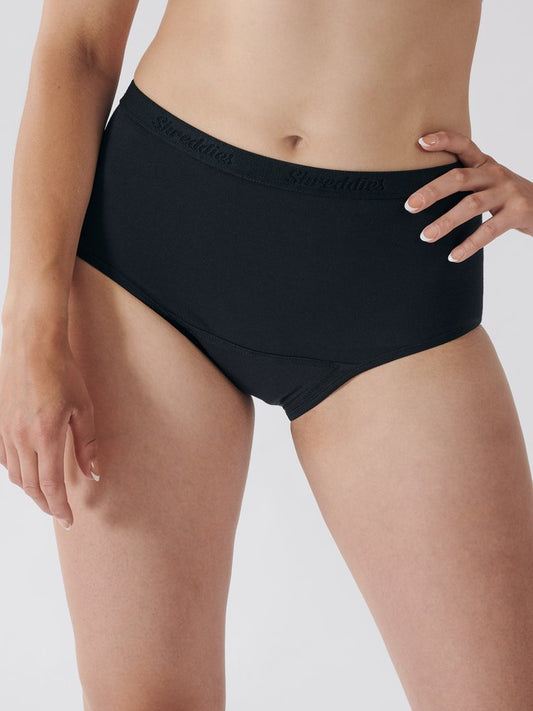
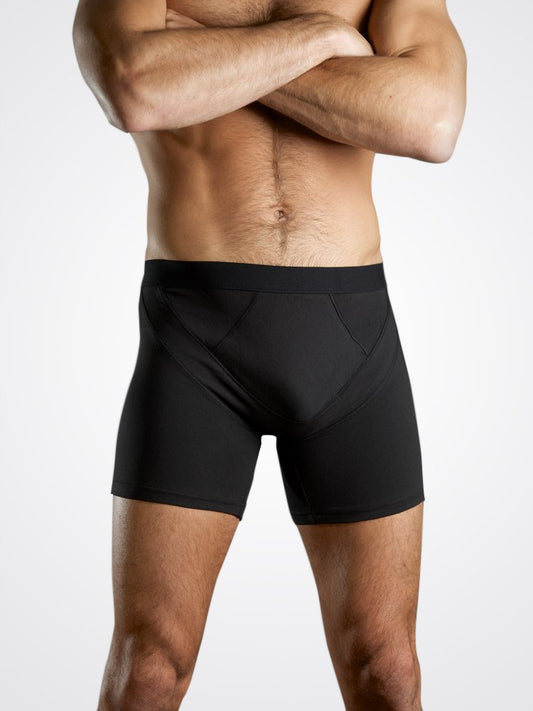
Shreddies look and feel like regular underwear, providing protection without announcing your medical situation to the world. This discretion is crucial during recovery when you want to maintain normal relationships and activities without constantly explaining or managing others' awareness of your digestive challenges.
The psychological benefit of wearing underwear that feels normal rather than obviously medical can't be overstated. It reinforces your identity as someone who's healing rather than someone who's sick, supporting the positive mindset that accelerates recovery.
Long-Term Value Beyond Initial Recovery
While Shreddies are invaluable during acute recovery when gas production is at its worst, many men find them beneficial long-term. Prostate surgery can create lasting changes in digestive patterns, and having reliable odor protection allows you to maintain confidence and an active lifestyle regardless of these adjustments.
The wash-safe activated carbon technology maintains effectiveness through hundreds of wash cycles, making Shreddies a long-term investment in confidence rather than a temporary recovery aid. You can wash them like normal underwear, and they continue working.
Integration with Medical Care
Shreddies complement rather than replace medical treatments for post-surgical digestive issues. They provide practical confidence support while you work with healthcare providers to address underlying recovery challenges. Many men find that the reduced anxiety from reliable odor protection actually improves their overall recovery outcomes by eliminating stress that can slow healing and worsen digestive function.
SHOP THE BEST PROSTATE SURGERY UNDERWEAR
Additional Prostate Surgery Recovery Considerations
Managing Minor Leakage Concerns
While the primary focus of this article is flatulence and odor control—the surprise problem most men don't expect—it's worth briefly noting that some men may experience minor urinary leakage during recovery. If this applies to your situation, Shreddies' design accommodates light absorption needs while the activated carbon handles odor concerns.
For significant incontinence issues lasting beyond initial recovery, consult your healthcare provider about medical interventions. Shreddies addresses the dignity and confidence aspects of recovery by eliminating odor concerns, but serious incontinence requires professional medical evaluation and treatment.
Activity Modification Rather Than Avoidance
Instead of completely avoiding activities you enjoy due to gas concerns, consider modifications that make them manageable during recovery. Golf might require accepting that movement will trigger gas, but with Shreddies you don't need to decline entirely. Social dining can continue when you're not terrified of what your digestive system might do.
With reliable odor protection, these become minor adjustments rather than major lifestyle limitations, allowing you to maintain important relationships and activities that support overall well-being during recovery.
Building Confidence Through Gradual Exposure
Rather than avoiding situations where gas might occur, gradually expose yourself to increasingly challenging scenarios while you have reliable protection. Start with low-stakes situations—maybe a quick trip to the pharmacy or a brief coffee meeting with a close friend—and gradually work up to more demanding social or professional commitments.
This approach allows you to rebuild trust in your ability to handle social situations without embarrassment. Each successful experience builds confidence for the next challenge, creating positive momentum rather than increasing isolation.
Long-Term Digestive Sensitivity
Even after full healing, many men discover that their digestive systems remain more sensitive to certain foods, stress levels, or medications than before surgery. This isn't necessarily problematic—it's simply a new baseline that requires minor adjustments to maintain comfort and confidence.
Understanding your personal triggers and having reliable protection allows you to experiment with foods and activities while maintaining confidence about social situations. Rather than severely restricting your diet or activities permanently, you can make informed choices based on circumstances and priorities.
When to Seek Additional Support
While most post-surgical digestive challenges resolve with time, certain situations warrant professional intervention. Persistent severe bloating, ongoing significant digestive disruption beyond six months, or anxiety that interferes with daily functioning should prompt discussions with healthcare providers about additional treatments or interventions. The goal is optimizing your quality of life rather than simply accepting limitations as inevitable consequences of surgery.
FAQs: Post-Prostate Surgery Underwear and Recovery
How long after surgery will I need specialized underwear for gas concerns?
Recovery timelines vary significantly between individuals and procedure types. Most men experience peak flatulence issues during the first 6-12 weeks when medication effects, surgical inflammation, and digestive disruption are most severe. However, many men find specialized underwear beneficial long-term for confidence, especially during situations where gas would be particularly embarrassing.
Do Shreddies actually eliminate all flatulence odor?
The activated carbon cloth technology effectively neutralizes flatulence odors when the underwear is properly fitted and gas passes through the fabric. The carbon filter traps odor molecules before they can escape. This technology is based on military-grade filtration principles and has been tested extensively for flatulence odor elimination.
Can I use regular gas-relief medications instead of specialized underwear?
Gas-relief medications like simethicone help break up gas bubbles but don't significantly reduce total gas production during post-surgical recovery. The gas production from medications, surgical stress, and digestive disruption will largely continue regardless of over-the-counter remedies. Shreddies addresses the real problem: eliminating the odor that creates embarrassment, rather than trying to prevent normal physiological gas production during healing.
Will insurance cover specialized underwear costs?
Most insurance plans don't cover underwear expenses, even for medical recovery purposes. However, you may be able to use HSA or FSA funds for these purchases if prescribed or recommended by your healthcare provider for post-surgical recovery needs.
How do I know what size to buy during recovery when bloating affects fit?
Consider your regular size initially, as Shreddies are designed to accommodate some bloating and swelling. Most men find their regular underwear size works well throughout recovery. If you experience significant abdominal swelling, you might size up temporarily, then reassess after 4-6 weeks when inflammation subsides.
Can specialized underwear help with anxiety about recovery?
Yes, many men find that reliable odor protection significantly reduces anxiety about embarrassing flatulence episodes during recovery. This allows them to focus mental energy on healing and returning to normal activities rather than constantly monitoring digestive output and calculating social escape routes. The psychological benefit of confidence often improves overall recovery outcomes.
When should I transition back to regular underwear?
Transition when you feel confident that your gas production has normalized and you're no longer worried about embarrassing odor situations. Some men choose to keep Shreddies for travel, exercise, or situations where gas concerns might arise even after general recovery. There's no medical reason to stop using them—it's about your comfort and confidence level.
How do I care for and wash Shreddies to maintain effectiveness?
Shreddies can be machine washed like regular underwear. The activated carbon technology maintains its effectiveness through hundreds of wash cycles. Avoid using fabric softeners or bleach, as these can potentially reduce the carbon's effectiveness over time. Air drying is recommended to maximize longevity.
SHOP THE BEST PROSTATE SURGERY UNDERWEAR
Disclaimer
This article is intended for informational and educational purposes only and should not be considered medical advice. The information provided is not intended to diagnose, treat, cure, or prevent any disease or medical condition. Individual recovery experiences from prostate surgery vary significantly based on multiple factors, including procedure type, overall health, age, and individual healing capacity.
Post-surgical recovery should always be managed in consultation with qualified healthcare providers who are familiar with your specific medical situation. If you experience concerning symptoms during recovery—including severe pain, signs of infection, persistent bleeding, significant changes in bowel or bladder function, or severe ongoing digestive distress—seek immediate medical attention.
The information about Shreddies USA products is provided for educational purposes and does not constitute medical advice or endorsement. While these products may help manage practical flatulence odor concerns during recovery, they do not treat underlying medical conditions or replace prescribed medical treatments for post-surgical complications.
Individual experiences with specialized underwear and recovery aids vary significantly. What works effectively for one person may not be appropriate for another. Always consult with healthcare providers before making significant changes to your post-surgical care routine or if you have questions about appropriate products for your specific recovery needs.